
Unplug, cool, soak parts, wipe interior, degrease, rinse, dry, reassemble.
You pull crispy wings at 400°F. Dinner hits the table. The smell of garlic and smoke lingers. Later, you open the drawer and see sticky grease, dark flakes, and crumbs baked onto the crisper plate. If you ignore it, your next batch may stick, smoke, or even taste burnt. The good news: how to clean an air fryer is simple once you know the right order, tools, and techniques. I’ve cleaned dozens of basket and oven-style units, from compact dorm models to family-size workhorses. Here’s exactly what works, what doesn’t, and how to keep yours spotless with less effort.
[3-product-listings-blocks]
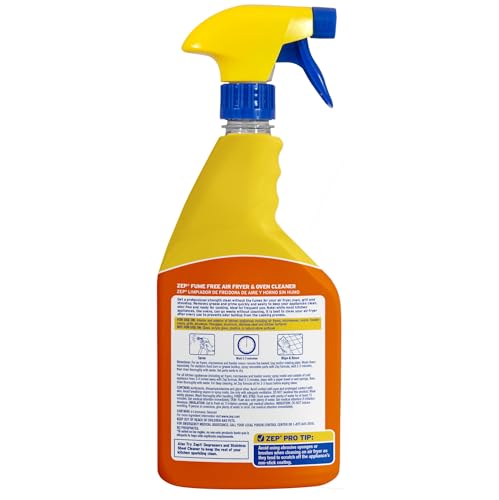
Zep Fume-Free Air Fryer & Oven Cleaner, 24 oz

This fume-free cleaner targets the two biggest pain points with air fryers: baked-on grease and sticky polymerized oil. It sprays on, clings to vertical surfaces, and loosens grime without the harsh fumes of old-school oven products. I like it for deep cleans when soapy water and a soft brush are not enough. It’s designed for kitchens, so you can use it on trays, racks, drip pans, and the inside walls of air fryer ovens when the parts are cool and removed where possible.
Use it as directed, and always spot test on a hidden area first, especially with nonstick coatings. Many baskets use PTFE or ceramic; that means gentle technique matters. I spray, let it dwell for a few minutes, then scrub with a non-scratch sponge and rinse well. Dry fully before reassembling so you don’t trap moisture. It’s a solid helper if you cook saucy or sugary foods that carbonize.
Pros:
- Fume-free formula is easier on the nose during deep cleans
- Clings to vertical surfaces for better dwell time
- Cuts heavy grease that dish soap alone can’t lift
- Biodegradable formula feels more mindful for routine kitchen use
- Works on racks, trays, and oven-style interiors when used as directed
- Helps remove caramelized splatter from high-heat cooks
Cons:
- Must spot test on nonstick coatings and follow labels closely
- Not for use on hot surfaces or near live electronics
- May need multiple passes on thick, carbonized build-up
My Recommendation
If you air fry several nights a week, you’ll run into gunky racks and browned polymerized oil. Dish soap gets you 80% there, but the last 20% causes smoke and off tastes. That’s where this cleaner helps. I reach for it when I need how to clean an air fryer solutions that hit stubborn build-up without harsh fumes. It’s best for deep cleans, not daily wipe-downs.
Use it wisely: remove parts, spray on cool surfaces, let it dwell, then scrub gently and rinse well. It fits cooks who love wings, bacon, sticky BBQ, roasted vegetables with oil, and cheesy snacks. If you prefer a low-odor kitchen and faster results, it earns a spot under the sink. Availability has been reliable, and the value is strong if you deep-clean monthly.
| Best for | Why |
|---|---|
| Heavy, baked-on grease | Clings to surfaces and breaks down stubborn residue |
| Fume-sensitive homes | Low-odor formula makes deep cleaning more comfortable |
| Oven-style air fryers | Works on racks and walls when parts are cool and removed |
Why cleaning your air fryer matters
Grease builds up fast at high heat. It turns sticky. It traps odors. It can smoke at 350°F and above. That smoke flavors food and can even trigger your smoke alarm.
Clean parts heat more evenly. Fans stay quiet. Nonstick lasts longer. Food tastes better and looks golden, not soot-stained.
Good cleaning is also about safety. Residue can drip onto heating elements. Old crumbs can ignite. A quick routine stops that risk. Knowing how to clean an air fryer means better meals and a longer life for your machine.
What you need: simple tools that work
I use a short list. It keeps things fast and safe. Most items are in your kitchen now. If not, they are easy to get.
- Soft sponge and non-scratch scrub pad
- Soft-bristle dish brush or old toothbrush
- Microfiber cloths and paper towels
- Warm water and mild dish soap
- White vinegar for deodorizing (diluted)
- Baking soda paste for spots (gentle use)
- Plastic or silicone scraper for stuck bits
- Cotton swabs for tight corners
- Optional: fume-free degreaser for deep cleans
I always check the manual. Many makers share what the coatings are and what they allow. That helps me choose the right method. This is the foundation of how to clean an air fryer the right way.
The 5-minute daily clean (after each cook)
Daily cleaning is quick. It saves you from big chores later. Do it when the unit is warm, not hot. Warm grease lifts faster.
- Unplug and let it cool for 10 minutes.
- Remove the basket, tray, and crisper plate.
- Discard crumbs into the trash, not the sink.
- Soak removable parts in warm soapy water for 5–10 minutes.
- Wipe the inside walls with a damp, soapy sponge. Rinse and dry.
- Wipe the heating element gently with a damp cloth once fully cool.
- Rinse and dry removable parts. Reassemble and leave ajar to air out.
This is the basic method for how to clean an air fryer without stress. It protects nonstick. It keeps smoke away. It reduces smells before they settle in.
Your monthly deep clean
Deep cleaning keeps things like new. I schedule it once a month, or after heavy, saucy cooking. It takes a little longer, but it pays off.
- Unplug and confirm everything is cold.
- Remove racks, plates, door (if removable), and crumb trays.
- Soak parts in hot, soapy water for 15–20 minutes.
- Use a soft brush to scrub oil film along edges and holes.
- For stuck spots, use a baking soda paste or a fume-free degreaser.
- Wipe interior walls, ceiling, and fan cover with a damp cloth.
- Clean the heating element by wiping gently from edge to center.
- Rinse parts very well. Dry fully with towels and air dry.
This covers how to clean an air fryer when you see brown varnish-like film. It breaks the cycle of burnt smells and uneven cooking. The unit will run quieter and cooler.
How to clean the basket and crisper plate
These parts get the most grease. They should be your focus. Soak and gentle scrubbing do most of the work. Patience beats force.
After a soak, scrub with a non-scratch pad. Use a brush on perforated holes to clear crunchy crumbs. If you see glossy brown film, use a baking soda paste. Rub lightly, rinse well, and dry. This is a core step in how to clean an air fryer the right way.
Check the manual for dishwasher rules. Top rack is often safe, but high-heat drying can stress coatings. I still hand wash most of the time. It keeps nonstick in better shape for longer.
How to clean the heating element and fan
Always unplug and let it cool to room temperature. Never spray cleaner into the base. Liquids and electronics do not mix. Stay safe and go slow.
Dampen a microfiber cloth with warm, soapy water. Wring it out very well. Wipe dust and fine grease from the element and fan cover. Use cotton swabs on tight spots. If needed, lift residue with a damp cloth and a drop of dish soap, then wipe with a clean damp cloth to rinse.
This is gentle but effective. It respects the parts that keep air moving. Knowing how to clean an air fryer includes knowing where not to flood water. Less water is more here.
How to clean the interior walls and door
Grease mist coats the ceiling and sides during high-heat cooks. If you leave it, it turns sticky. Then it traps soot and smells. I wipe it while it is still slightly warm.
Use a damp, soapy cloth. Wipe in small sections. Rinse the cloth often. For tough films, apply a fume-free degreaser to a cloth, not directly to the machine, then wipe and rinse with a clean damp cloth.
For oven-style doors, remove them if the maker allows. Clean the edges and hinges. Dry all parts well. This gives you a clear view again and reduces smoke.
How to clean the exterior and control panel
Grease can drip on the outside, too. The fix is simple. Use a damp microfiber cloth and a drop of dish soap. Wipe, then rinse with a second damp cloth.
For knobs and touchscreens, do not spray cleaner directly. Apply cleaner to the cloth first. Wipe gently. Dry with a soft towel to avoid streaks.
Stainless exteriors can get fingerprints. A light wipe with a damp cloth and a dry buff is enough. Avoid abrasive powders that scratch metal.
How to tackle sticky, burnt-on grease
Burnt sugar and cheesy splatter need a plan. Heat and oil create a varnish. It does not lift fast with soap alone. Here’s my method.
- Soak removable parts in hot, soapy water for 20 minutes.
- Apply baking soda paste to spots. Let it sit for 10 minutes.
- Scrub with a soft brush. Rinse and repeat as needed.
- For film that won’t budge, use a fume-free degreaser on a cloth.
- Rinse until surfaces squeak. Dry fully to prevent water spots.
This process is how to clean an air fryer when you’ve let things go for a while. It’s still gentle on nonstick when you avoid steel wool and harsh abrasives.
Deodorize: remove lingering odors fast
Odors hang on to oil films and crumbs. Clean first; deodorize second. Vinegar is a good helper, but use it right. Do not pour liquids into the base.
- Wipe interior with a 1:1 mix of water and vinegar on a cloth.
- Rinse with a damp cloth. Dry well.
- Soak the basket and tray in warm soapy water with a splash of vinegar.
- Let the disassembled unit air out with the drawer open overnight.
- Place a small open dish of baking soda nearby to absorb odors.
Some people place a small oven-safe bowl of lemon water in the basket and run the unit warm for a few minutes. I only do this if the manual allows bowls and low-heat runs with liquids in the basket. If in doubt, skip it and stick to wiping. This careful approach is part of how to clean an air fryer safely.
What not to do (save your coating and electronics)
- Do not use steel wool or metal scrapers on nonstick.
- Do not spray cleaner directly into vents or on the control panel.
- Do not submerge the base or let water drip into the motor.
- Do not use chlorine bleach; it pits metals and harms coatings.
- Avoid oven cleaners unless the label and your manual allow it.
- Skip aerosol cooking sprays with propellants that harm nonstick.
This list protects your unit from early failure. The right habits give you years of service. The wrong ones cause peeling and rust. Understanding what to avoid is a quiet part of how to clean an air fryer well.
Dishwasher or hand wash?
Many baskets and plates say “dishwasher safe.” That helps. But I still hand wash most of the time. It protects coatings from strong detergents and high-heat dry cycles.
If you use the dishwasher, pick the top rack. Space items so water hits every angle. Skip the heated dry when you can. Dry by hand to reduce water spots and stress.
Check your manual by model. Ceramic coatings often tolerate dishwashers better than PTFE. But gentle care always wins long term.
Nonstick care and oil tips
Use wooden, silicone, or nylon tools. Metal edges nick coatings. Nicks become chips. Chips become sticky spots. Then food sticks even more.
Avoid aerosol sprays with propellants. They leave residue that polymerizes. Use a refillable pump sprayer with pure oil instead. Wipe away extra oil after cooking.
This routine makes cleaning simple. It also keeps the surface slick. It is a quiet form of how to clean an air fryer before it even gets dirty.
Silicone and parchment liners: do they help?
Silicone liners and parchment sheets save time. They catch grease and crumbs. They keep the basket clean. They make how to clean an air fryer even faster.
Pick liners with holes so air can flow. Don’t use parchment during preheat; it can float and touch the element. Don’t block all airflow or you’ll get soggy food.
Wash silicone liners with soapy water. Replace parchment between cooks. Liners help, but you still need to clean the basket and plate at times.
How often should I clean?
Wipe and soak removable parts after each cook. It takes minutes. It stops smoke and smells. It keeps gunk from baking on.
Deep clean about once a month. Do it more often if you cook sticky foods. Do it less often if you air fry dry items like toast or frozen fries.
Trust your eyes and nose. If you see film or smell old oil, it is time. Frequency is a core idea in how to clean an air fryer for best results.
Brand and model differences that matter
Basket-style units have drawers and crisper plates. Oven-style models have racks and a glass door. The parts change, but the basics stay the same.
Some brands use ceramic nonstick. Others use PTFE. A few have stainless baskets with little to no coating. Ceramic handles gentle scrubbing a bit better. PTFE needs softer tools and milder cleaners.
Always check the manual for temperature limits, dishwasher rules, and part removal. A removable door makes cleaning much easier in oven-style units.
Troubleshooting common cleaning issues
My air fryer still smokes after cleaning
Check the heating element and fan cover. A thin film there can smoke fast. Wipe again with a damp, soapy cloth. Dry well. Also check the drawer rails and under the basket lip—grease hides there.
The nonstick looks dull or sticky
This can come from aerosol spray build-up. Clean with hot, soapy water and a soft brush. Use a mild baking soda paste on spots. Avoid abrasives. Switch to a pump oil sprayer to prevent future film.
There is a white powder or film after washing
This is often mineral residue from water. Rinse with warm water and dry with a towel. A 1:1 vinegar-water wipe can help, followed by a clean water rinse. Dry fully.
Food still sticks after cleaning
Preheat. Use a thin coat of oil on the food, not the basket. Don’t cram the basket; airflow matters. Clean the crisper plate holes; blocked holes cause steam and sticking.
A safe, step-by-step deep clean walkthrough
This is my exact process when a unit has heavy build-up. It is simple, safe, and reliable. It fits both basket and oven-style units.
- Unplug. Let everything cool to room temperature.
- Remove the basket, tray, crisper plate, racks, and drip pan.
- Dump crumbs into the trash. Avoid drains.
- Fill the sink with hot water and a good squirt of mild dish soap.
- Soak removable parts for 15–20 minutes.
- Wipe the interior walls and ceiling with a damp, soapy cloth.
- Use a soft brush to clean corners, seams, and screw heads.
- Wipe the heating element and fan cover with a damp cloth, well wrung out.
- Scrub the soaked parts with a non-scratch pad. Rinse well.
- For any film that stays, use a baking soda paste or a fume-free degreaser on a cloth.
- Rinse again until there is no slip from soap.
- Dry with towels. Air dry for 10–20 minutes more.
- Reassemble. Run the unit empty at 350°F for 3–5 minutes to burn off moisture.
This is the gold standard for how to clean an air fryer when you need a reset. It leaves parts dry and ready. It stops that “old oil” taste at the source.
Health, allergens, and food safety notes
Keep raw chicken juices away from handles and buttons. Wipe them right after contact. Clean cutting boards and tongs, too. Cross-contamination hides in small places.
Grease and crumbs can harbor allergens. Clean after breaded foods if someone is sensitive. Run a deep clean if you switch from fish to pastries.
Dry everything well. Moisture invites musty smells. It also speeds rust on screws and seams. Proper drying is part of how to clean an air fryer in a safe way.
Save time with smart habits
Line the drip area with a perforated liner during messy cooks. Pre-soak while you eat. Use warm water; it loosens grease faster. Do a 60-second wipe of the interior walls while they are still slightly warm.
Keep a small caddy of tools near the air fryer: sponge, brush, cloth, and a mild degreaser. The shorter the setup, the more likely you clean right away. Small habits prevent big scrubbing sessions.
Set a reminder once a month for a deep clean. Treat it like changing a water filter. This simple routine is the backbone of how to clean an air fryer without stress.
Eco-friendly cleaning choices
Hot water, good soap, and elbow grease do most of the work. Vinegar helps with odors. Baking soda targets spots. These are low-impact and cheap.
Choose fume-free cleaners when you need stronger help. Rinse well so nothing remains on surfaces that touch food. Dry with reusable cloths to cut paper waste.
These choices respect your home and unit. They also keep the kitchen pleasant. I use them year-round and still get spotless results.
Protect the heating element long term
Don’t cook on the highest setting all the time. High heat tends to splatter more and burn on faster. Use the right temp for the food.
Trim excess fat from meats. Less fat equals less splatter. Use a lower rack position in oven-style models to reduce direct splatter on the element. Wipe the element when cool if you see misted grease.
This protection plan is part of how to clean an air fryer and keep it clean. It’s better to prevent than fight hard build-up later.
Storage and aftercare
Store the unit dry and open. A cracked lid or open drawer lets air circulate. That stops smells from trapping inside. It also protects seals and gaskets.
Keep cords coiled loosely. Do not wrap them tight around the body. That can stress the cord. Wipe the plug with a dry cloth if it feels greasy.
Put a small note on your calendar for the next deep clean. Your future self will thank you. This is a quiet but vital step in how to clean an air fryer for the long run.
Expert tips from hands-on testing
- Use a silicone bottle brush for perforated plates; it zips through holes fast.
- Flip crisper plates and scrub from the back to pop out crumbs.
- If you have hard water, towel dry right away to avoid mineral spots.
- Keep a tiny plastic razor scraper for caramelized drips on metal trays.
- Run a short “dry cycle” at 300–350°F for 3 minutes after deep cleans.
- Never stack hot, greasy baskets in the sink; grease sets as it cools.
These small tricks save time. They also save coatings and elements. They come from real use, not theory. They make how to clean an air fryer faster in daily life.
FAQs Of how to clean an air fryer
Can I put my air fryer basket in the dishwasher?
Often yes, but check your manual. Top rack is best. Hand washing will extend nonstick life. Avoid high-heat dry cycles.
Is it safe to use oven cleaner inside the air fryer?
Only if the label and your manual allow it, and never on hot or live parts. I prefer fume-free formulas on removable parts. Always rinse very well.
How do I clean the heating element?
Unplug and cool fully. Wipe with a damp, soapy cloth that’s well wrung out. Rinse with a clean damp cloth. Keep liquids away from the motor and controls.
How often should I deep clean?
About once a month, or more if you cook sticky, saucy foods. Daily quick cleans after each cook keep deep cleans short.
What removes sticky, burnt grease the best?
Hot soapy water, time to soak, and a non-scratch scrubber. Use baking soda paste on spots. For heavy film, a fume-free degreaser on a cloth can help.
Final Verdict: Which Should You Buy?
If you need extra muscle for baked-on grease, a fume-free degreaser is worth it. The Zep option is strong, low-odor, and easy to use on cool, removable parts.
Pair it with daily soapy soaks, and how to clean an air fryer becomes quick and stress-free. You’ll cut smoke, keep flavors clean, and extend the life of your machine.